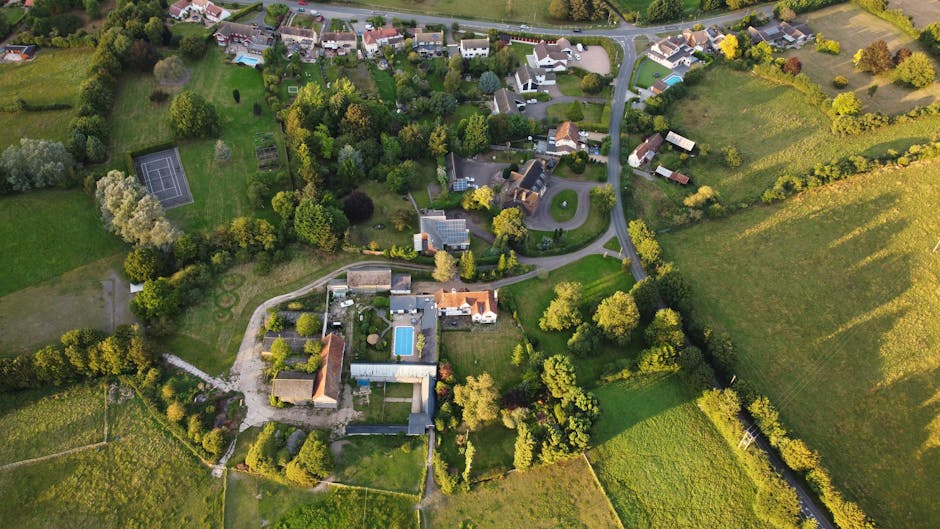
Access problems for garden maintenance on Wickham Court Estate

Access problems for garden maintenance on Wickham Court Estate can turn a straightforward tidy-up into a bit of a puzzle. Narrow paths, locked gates, shared entrances, parking restrictions, awkward corners, or simply not knowing who has the right key can all slow a visit before the first hedge is cut. If you live on the estate, manage a property there, or hire gardeners for communal or private grounds, the access question matters more than people sometimes expect. It affects timing, cost, safety, and even what work can realistically be done in one visit.
This guide breaks down the issue in plain English. You'll get a practical view of what usually goes wrong, why it matters, how good planning helps, and what to check before anyone turns up with tools and a trailer. It also covers useful best practice for residents, landlords, managing agents, and gardeners who need to keep things running smoothly. Truth be told, a little preparation saves a lot of back-and-forth later.
Why access problems on Wickham Court Estate matter
Garden maintenance is often judged on the end result: a neat lawn, trimmed hedges, clear borders, tidy patios, and healthy planting. But on estates like Wickham Court, the work is only as efficient as the access allows. When the team cannot get close to the garden, cannot unload safely, or has to wait for someone to arrive with a key, the whole job slows down. And when time slips, the knock-on effects are real: fewer tasks completed, higher labour time, and a less predictable schedule for everyone involved.
Access problems also matter because they shape the type of maintenance that can be done. For example, a small handover-through-the-gate job is one thing; shifting hedge cuttings, carrying tools over shared ground, or moving waste from a rear garden is another. If the route is tight or the surface is fragile, the team may need smaller equipment, more people, or a different method. That is not a flaw in the service. It is just the reality of working around estate layouts.
There's also the neighbour factor. On a managed estate, people notice noise, vehicles, and movement in communal spaces. If access arrangements are unclear, gardeners can end up in awkward situations, especially if residents are expecting quiet and a quick turnaround. A clear plan keeps things courteous. It sounds simple, but it makes a big difference.
Practical takeaway: access is not just a logistical detail. It affects safety, cost, time, neighbour relations, and the quality of the finished garden. Sorting it early is one of the easiest ways to keep maintenance under control.
How access issues affect garden maintenance in practice
On Wickham Court Estate, access challenges usually fall into a handful of familiar categories. Some are physical, some are procedural, and some are just communication issues. In our experience, it is rarely one big problem. More often it is three small ones that happen to appear together on the same day. Annoying, yes. Manageable, also yes.
Common access barriers
- Locked gates or shared entry points: if keys, codes, or fobs are not arranged in advance, time is lost at the start of the visit.
- Narrow side passages: these can restrict wheelbarrows, mowers, leaf blowers, and waste bags.
- Limited parking or loading space: contractors may need to park further away and carry equipment by hand.
- Uneven or slippery surfaces: wet paving, steps, or worn access routes increase the risk of trips and slips.
- Shared or sensitive communal areas: the team may need to protect lawns, beds, entrances, or decorative surfaces.
- Unclear responsibility: residents, landlords, and managing agents may all assume someone else has made the arrangements.
That last point comes up more often than you'd think. A gardener arrives, the gate is locked, and the resident thinks the estate office has the code while the estate office thinks the contractor has been briefed. Meanwhile, the grass is growing, the sun is out, and everyone is mildly frustrated. Not ideal.
Good access planning is basically a chain: the person booking the work provides accurate site details, the contractor confirms what they need, and everyone agrees how entry, parking, waste removal, and security will work. If any link in that chain breaks, the job becomes slower and less tidy.
For recurring maintenance, the same access routine should be repeated every time. That may sound a bit strict, but consistency prevents avoidable delays. If the team can enter the estate, reach the garden, work without interruption, and remove waste safely, the visit feels smooth. When that happens, you'll notice the difference straight away.
Key benefits of planning access properly
Planning access well is not just about making life easier for the gardener. It brings practical benefits to residents and property managers too. The gains are sometimes small on paper, but they add up over the season, especially during spring growth and late-summer tidy-ups.
| Access planning area | What improves | Why it matters |
|---|---|---|
| Gate and entry arrangements | Fewer delays | The crew can start on time and use booked labour efficiently |
| Parking and unloading | Safer setup | Tools and waste can be moved without blocking neighbours |
| Route to the garden | Less wear and tear | Protects shared paths, lawns, and planted areas |
| Waste handling | Cleaner finish | Cuttings and debris are removed without leaving piles behind |
| Communication | Better reliability | Everyone knows what to expect if conditions change |
There is another benefit that people often miss: better access can actually improve the quality of the maintenance itself. If the crew can move freely, they can spend more time on the work that matters, not on carrying kit around corners or waiting for a resident to answer the door. That usually means more attention to detail in areas like edging, pruning, and clearing up properly.
For larger gardens or shared grounds, access planning also helps with seasonal work. One visit may focus on lawn care and hedge trimming, while another includes clearance, patio cleaning, or tree-related work. When the site is easy to reach, the maintenance plan becomes more flexible. And that flexibility is useful when the weather turns on you, as it so often does in the UK.
Who this is for and when it makes sense
This topic is relevant to a surprisingly wide group of people. If you manage or live on Wickham Court Estate, access may affect you whether the garden is tiny, medium-sized, or part of a shared landscape. The most common situations include:
- Homeowners who need regular garden maintenance but have restricted side access or locked rear gates.
- Residents in managed estates where entry routes, parking, or communal spaces need coordination.
- Landlords and letting agents who need maintenance arranged between tenancies, often with minimal disruption.
- Managing agents responsible for communal grounds, shared hedges, or repeat visits across several properties.
- Gardeners and landscapers who need to assess whether equipment, waste, and labour can be used efficiently on site.
It makes sense to think about access before booking any serious work. That includes not only routine jobs like mowing and hedge trimming, but also more involved services such as garden clearance, landscaping, or tree surgery. The bigger the task, the more likely access will shape how it is delivered.
If you are comparing options or planning a new maintenance schedule, it can also help to review the broader gardening services and the provider's pricing and quotes information. Clear access notes at the outset usually lead to clearer pricing. No surprises, no awkward guesswork.
Step-by-step guidance for smoother access
Here is a practical way to handle access problems on Wickham Court Estate without making it complicated.
- Map the route before the visit. Walk from the street or parking point to the garden. Notice gates, steps, narrow gaps, low branches, or wet patches.
- Confirm entry details. Make sure keys, codes, fobs, or contact numbers are ready. If multiple people hold access, say who will be available and when.
- Measure the tricky bits. A few rough measurements can help decide whether standard mowers, larger tools, or hand tools are the better choice.
- Check where equipment can be unloaded. A short unloading spot close to the garden entrance makes the visit far easier.
- Plan for waste and cuttings. Decide in advance whether debris will be bagged on site, wheeled out, or collected from a discreet staging area.
- Protect shared surfaces. If the route passes through communal paving, gravel, decking, or lawns, agree how damage will be avoided.
- Set the communication line. One named contact is usually better than three people answering the same question in different ways.
- Review after the first visit. If access was awkward, adjust the plan before the next maintenance round.
If the garden has fences, gates, or decking that affect entry, it may be worth checking whether related work is needed too. A slightly awkward access route can sometimes be improved with careful repairs or redesign, especially if the same obstruction keeps causing trouble. Services like fencing or decking services may be relevant where structures are part of the problem rather than the solution.
A small note here: if the access route is awkward, don't assume the answer is "just make do." Sometimes a modest change saves repeated effort all year. That's a lot better than everyone grumbling over a tight gate every six weeks.
Expert tips for better results
When access is tricky, good gardening practice becomes even more important. A few simple habits can make the difference between a rushed job and a tidy, controlled visit.
- Use smaller, more mobile equipment where needed. A compact mower or handheld tool can be more efficient than forcing larger kit through a tight route.
- Schedule heavier tasks separately. If a hedge reduction or clearance job creates lots of waste, give it its own visit instead of combining too many jobs at once.
- Keep routes clear before arrival. Move bins, bikes, plant pots, and temporary obstacles out of the way. It sounds basic, but it matters.
- Give clear instructions on wildlife or planting sensitivities. If there are delicate beds, young shrubs, or awkward corners, say so up front.
- Work with the weather, not against it. On a damp morning, a narrow passage can become slippery fast. Sometimes a short delay is safer than a hurried start.
- Keep waste handling realistic. Overfilling bags or expecting everything to be carried through a tiny route in one go is how visits get messy.
One of the best habits, honestly, is to take ten seconds to look back at the exit route before starting the job. It sounds trivial. It is not. Once the cuttings, tools, and waste start piling up, the easiest way out can become the only thing that matters.
For routine upkeep, maintenance such as lawn mowing, lawn care, and hedge trimming usually runs more smoothly when access is predictable. That means less wasted time, and usually a neater finish too.
Common mistakes to avoid
Most access issues are avoidable. The trouble is that people often only discover them on the day, when the mower is already in the van. Here are the mistakes that cause the most friction.
- Not sharing the gate arrangement in advance. Even a simple code change can throw the whole day off.
- Assuming parking will sort itself out. On an estate, loading spots can be limited and not every space is suitable for a contractor vehicle.
- Forgetting to mention narrow or fragile surfaces. This can lead to damage or a slower setup as the team adapts.
- Booking a large job without considering waste removal. Big cut-back work needs a proper plan for clearance.
- Overlooking neighbour awareness. A quick note to nearby residents avoids confusion when tools, vehicles, or waste bags appear.
- Changing the plan at the last minute. Last-minute changes are fine sometimes, but if they happen often, the job becomes inefficient.
Another common issue is trying to solve access by adding more people instead of better information. More hands can help, sure, but if nobody knows which gate opens, who has the key, or where waste goes, you are still stuck. A simple plan beats extra scrambling. Most days, anyway.
If waste and overgrowth are already making the site harder to reach, a targeted garden clearance can often reset things so routine maintenance becomes easier again. It is a practical fix, not just a clean-up.
Tools, resources and recommendations
You do not need a huge toolkit to manage access well. What you do need is a few sensible resources and habits that make the work predictable.
- Site notes: keep a simple written summary of gate locations, codes, parking constraints, and any oddities on the route.
- Photos: a few current images of the access points can save a lot of explanation, especially when something has changed since the last visit.
- Contact list: one main contact plus a backup is usually enough.
- Seasonal plan: decide when more intensive jobs will happen so access is not being assessed from scratch every time.
- Waste plan: agree whether green waste will be left for collection, removed in a vehicle, or stacked in a specific place.
Where access is affected by surfaces or structures, practical support may also include patio cleaning, tree lopping and removal, or even modest work on the boundaries if overgrowth is tightening the route. If a garden feels hard to reach because it has simply got too full over time, that is a signal, not a failure.
You may also find it helpful to review the company's approach to health and safety and insurance and safety before arranging work on a difficult site. On a constrained estate, safety and access are closely linked. One affects the other.
Law, compliance, standards and best practice
Access planning for garden maintenance is not just a convenience issue. It sits alongside basic duty-of-care thinking, safe working practices, and sensible site management. Exact responsibilities can vary depending on whether the property is private, managed, rented, or communal, so it is wise to be careful rather than overstate anything. Still, a few general principles apply.
First, anyone arranging work should avoid creating avoidable hazards. That means keeping routes reasonably clear, making sure access points are usable, and informing contractors about anything that could increase risk. In practice, this is part of ordinary good management.
Second, contractors should assess the route and adapt the job if the environment calls for it. That might include using smaller equipment, reducing load size, or changing the order of work. On a live estate, the safest route is not always the shortest one. Sometimes the neatest-looking route is the one with the worst footing. Funny how that works.
Third, waste should be handled responsibly. Green waste, soil, prunings, and cuttings should be removed or contained without leaving trip hazards behind. If recycling and sustainability are part of the service approach, that is worth discussing in advance. You can review the provider's recycling and sustainability information for a better sense of how waste is typically managed.
Finally, if the access issue is tied to estate rules, shared ownership, or managed communal areas, the safest approach is to get the relevant permissions or instructions before work begins. No drama. Just clarity.
Options, methods, or comparison table
There is no single best way to deal with access problems for garden maintenance on Wickham Court Estate. The right method depends on how tight the access is, how often the work happens, and whether the garden needs light upkeep or heavier intervention.
| Method | Best for | Pros | Limitations |
|---|---|---|---|
| Standard full-garden visit | Easy access, regular maintenance | Fast, efficient, simple to schedule | Not ideal where gates or routes are tight |
| Small-team or compact equipment visit | Narrow passages, modest gardens | More flexible, less disruption | May take longer on larger jobs |
| Split visit | Big jobs with lots of waste | Safer and less crowded on site | Requires more planning and coordination |
| Seasonal clearance followed by routine maintenance | Overgrown or hard-to-reach gardens | Resets the site and improves future access | Initial visit may be more involved |
| Targeted boundary or access improvements | Recurring route problems | Can reduce repeated inconvenience | Needs upfront agreement and budget |
For many Wickham Court properties, the most sensible route is a mix of methods rather than a single approach. For example, a first visit might involve clearance and a careful reset, then later visits can focus on mowing, pruning, and light upkeep. That tends to be less stressful for everybody involved.
Case study or real-world example
Imagine a rear garden on the estate with a side passage that is just wide enough for one person and a compact mower, but not much else. The gate is secure, the path bends slightly, and there is a low branch near the end of the route. It is not a disaster. It just needs planning.
In a case like this, the first visit would usually start with confirming the access point, checking the turning space, and deciding which tools can fit without scraping walls or dragging debris through plant beds. If the hedge has been allowed to thicken, hedge trimming may be done first so the route is less cramped next time. If the lawn is rough and patchy, light lawn care might be paired with mowing rather than treated as a separate issue.
Suppose the garden also has a tired patio surface covered in moss or leaf litter. In that case, patio cleaning may improve footing and make future access safer. Small improvements often stack up. One tidy pass, then another, and suddenly the whole site feels easier to work in.
The important part is not perfection. It is repeatability. Once the team knows the route, the access note is clear, and waste removal is planned, routine visits become much more predictable. That is usually what residents want most: fewer surprises and a garden that looks looked-after, not patched together at the last minute.
Practical checklist
Use this checklist before arranging or confirming garden maintenance on Wickham Court Estate:
- Identify the main access point and any backup route.
- Check gate keys, codes, fobs, or entry permissions.
- Confirm where the contractor can park or unload.
- Measure narrow passages, steps, or tight turns if needed.
- Remove temporary obstacles such as bins, bikes, or furniture.
- Warn about fragile surfaces, slippery areas, or low branches.
- Agree how waste and cuttings will be handled.
- Tell neighbours or managing agents if shared spaces may be affected.
- Make sure one person is responsible for communications on the day.
- Review what worked well after the first visit and adjust the plan.
If you can tick most of those off, you are already ahead of the game. And if one or two items are still uncertain, that is fine. Get them sorted before the visit, not during it.
Get a free quote today and see how much you can save.
Conclusion
Access problems for garden maintenance on Wickham Court Estate are usually less about major obstacles and more about everyday details that haven't been joined up properly. A locked gate, a tight passage, a poor unloading spot, or unclear instructions can all slow the job and make routine maintenance harder than it should be. The good news? Most of this is fixable with a little structure and a clear plan.
Whether you are arranging a one-off tidy-up or regular upkeep, the most useful approach is simple: map the access, confirm the entry details, choose the right method, and keep communication direct. That alone removes a surprising amount of stress. Not glamorous, perhaps. But effective.
If the site feels awkward now, it does not have to stay that way. A sensible access plan can turn a frustrating garden into one that is easy to maintain, season after season. And that is a lovely thing, really - not just a neater garden, but a calmer process getting there.
Frequently Asked Questions
What are the most common access problems for garden maintenance on Wickham Court Estate?
The most common issues are locked gates, narrow side passages, limited parking, awkward steps, and unclear instructions about keys or entry codes. Shared access points can also cause delays if nobody has confirmed who is responsible for opening them.
Why does access affect the cost of garden maintenance?
Access affects how long the work takes, how much equipment can be used, and how waste is removed. If the crew has to carry tools further or work in smaller sections, the visit may take more time and planning than a standard easy-access job.
Can garden maintenance still be done if the access is very narrow?
Usually yes, but the work may need to be adjusted. Smaller tools, hand finishing, or split visits can help. In some cases, a clearance first is the best way to make future maintenance more practical.
Should I tell the gardener about access issues before the visit?
Yes, absolutely. The earlier you share access details, the easier it is to plan the work properly. Even small things like a sticky gate latch or a steep step are worth mentioning.
What should I do if the contractor cannot get onto the estate?
First, check the contact number and entry arrangements. If the problem is a missing key, code, or permission, it is usually best to resolve that before rescheduling. Clear communication helps avoid repeat delays.
Do access problems make hedge trimming or mowing harder?
They can. Hedge trimming and mowing both depend on getting equipment in and out efficiently. If the route is tight or the surface is delicate, the work may take longer and require more careful handling.
Is it better to book clearance before routine maintenance on an overgrown site?
Often yes. If the garden has become cluttered, overgrown, or difficult to reach, a clearance visit can reset the space and make later maintenance much easier to manage.
How can I make shared estate access smoother for repeated visits?
Keep one clear contact person, store the access details in one place, and review what went well after each visit. Consistency matters more than people think. It saves a lot of little headaches.
What if the route to the garden crosses a patio or decking area?
Then the surface condition matters. Slippery or worn paving can create risk, so it may help to arrange cleaning or repairs if the access route is part of the problem. Services such as patio cleaning or decking-related work may be relevant.
Do I need to think about safety as well as access?
Yes. Safety and access go together. A route that is hard to use can also be unsafe if it is slippery, cluttered, or poorly lit. Good planning should reduce both delay and risk.
How do I know if access issues are serious enough to change the maintenance plan?
If the gardener keeps losing time on setup, carrying waste is awkward, or the route prevents normal tools from being used, it is probably worth changing the plan. That might mean smaller visits, different equipment, or a more targeted service approach.
Where can I find more information about service standards and expectations?
It is sensible to review the provider's pages on about us, terms and conditions, and accessibility statement. Those pages can help set expectations around communication, service boundaries, and practical arrangements.